VibroCool & VibroQ Heat Exchangers
Are your products cooling or heating fast enough to support efficient downstream processing?
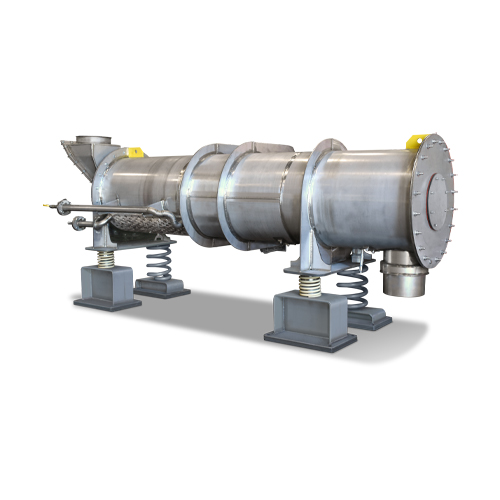
VibroCool & VibroHeat (VibroQ)
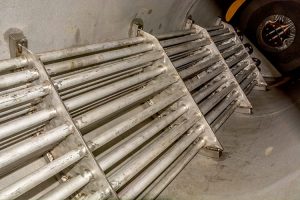
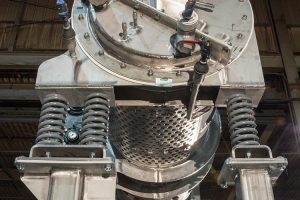
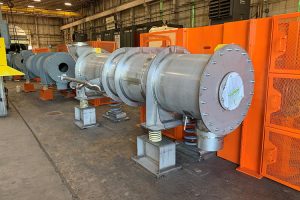
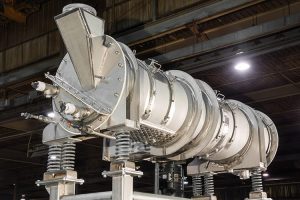
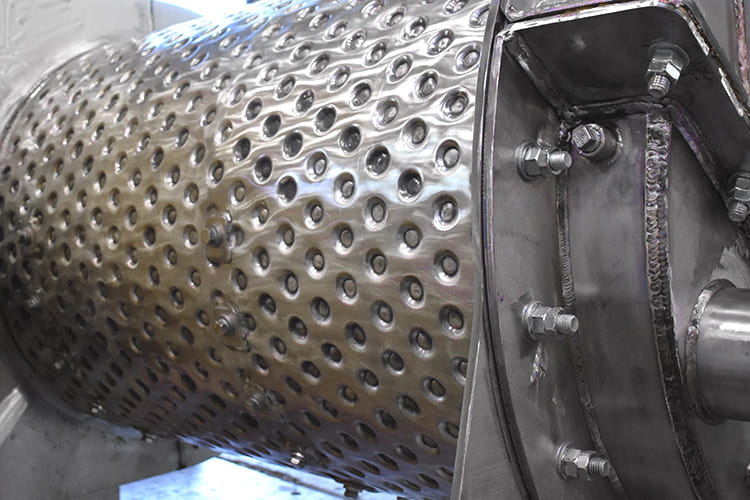
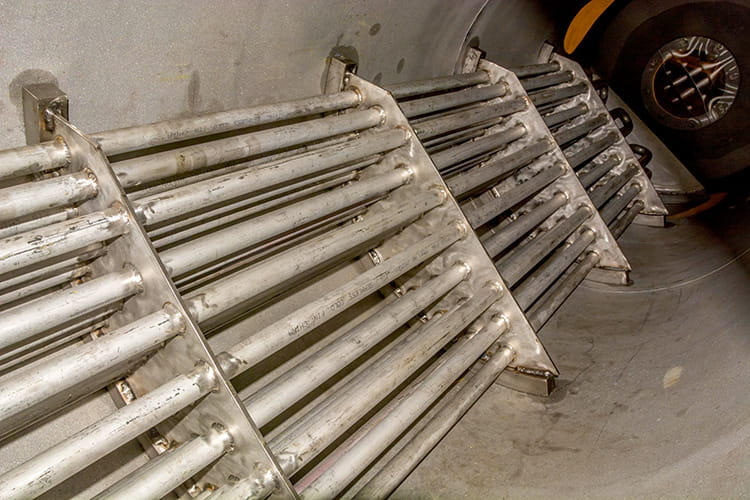
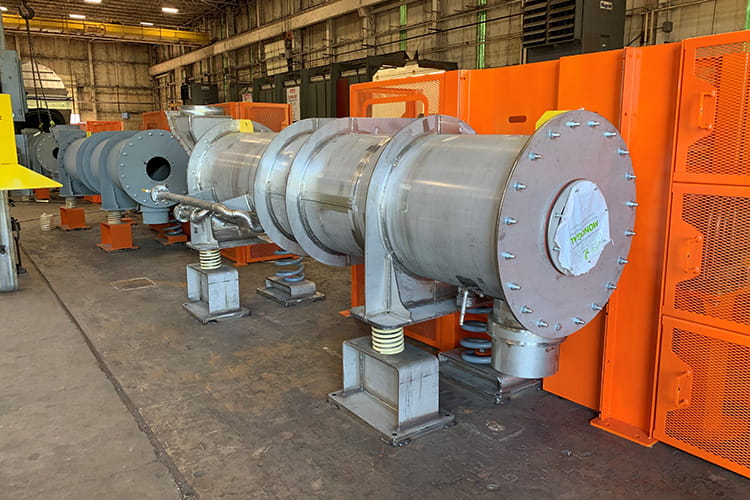
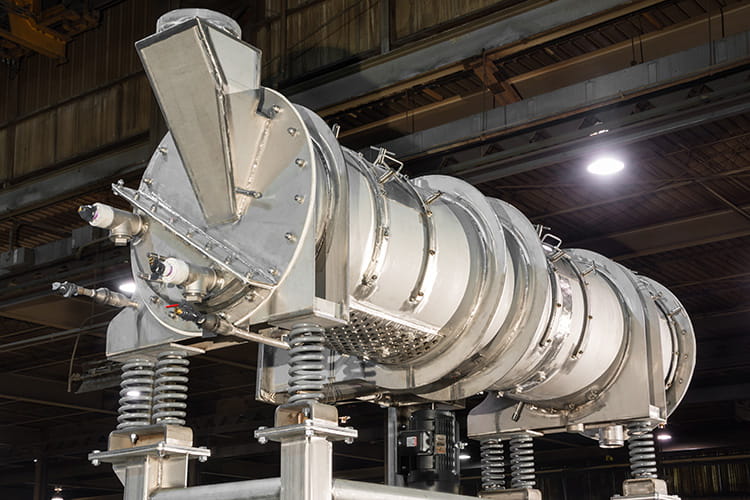
Carrier’s VibroCool and VibroHeat (or VibroQ) are designed to cool or heat material indirectly using a liquid cooling or heating media. Liquid is circulated through tubes immersed in a vibratory bed of product. The unique design allows for thermal exchange without passing air through the product, thereby eliminating the need for fans, ductwork, or dust collection equipment.
Features & Benefits
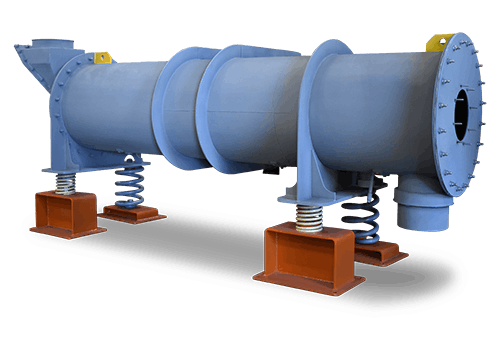
Equipment Options & Accessories
Sweep gas can be used to evacuate moisture or volatiles.
Material contact surfaces can be fabricated from a number of materials such as carbon steel, stainless steel, and other alloys for high temperatures and/or corrosion resistance.
Minimize field commissioning work with simple starter panels or customized PLC-based controllers complete with remote startup and engineering services.
Systems can be configured for chilled water, hot water, glycol, thermal oils, or other liquid heat transfer media depending on process requirements.
Heat transfer tube layouts can be customized for retention time, thermal load, abrasion resistance, or product flow characteristics.
Feed and discharge configurations can be tailored for integration into existing process lines.
Elevated support frames, platforms, or compact floor-mounted designs are designed based on plant layout needs.
Applications
Provides indirect heating or cooling of free-flowing solids through controlled contact with heat-transfer surfaces. Vibratory conveying maintains uniform material movement and consistent residence time without direct process-air contact.
Transform raw silica sand into specialized, durable grains used to keep hydraulic fractures open in oil and gas wells. Indirectly cools or heats sand and proppants while maintaining particle integrity and consistent flow. Vibratory motion maximizes contact with heat-transfer surfaces for uniform discharge temperatures.
Transform raw materials into nutrients for agriculture. Provides indirect thermal conditioning of granular fertilizers and chemical products. Controlled vibration promotes uniform heat transfer while minimizing particle degradation, dust generation, and exposure to process air.
Handles high-temperature clinker and lime using robust indirect heat-transfer surfaces. Vibratory conveying maintains consistent material distribution for efficient thermal exchange and controlled discharge temperatures.
Cool green sand, shakeout sand, return sand for reclamation systems, slag and dross byproducts, and more. Uniform material movement provides consistent thermal conditioning before reclamation, storage, or reuse.
Provides indirect heating or cooling of abrasive mineral and ore products. Engineered heat-transfer surfaces and vibratory conveying deliver uniform thermal processing while accommodating demanding material characteristics.
Cool hot material downstream after thermal processing such as calcination. Provides indirect heating or cooling of abrasive mineral and ore products. Engineered heat-transfer surfaces and vibratory conveying deliver uniform thermal processing while accommodating demanding material characteristics. Common materials include petroleum coke, metallurgical coke, calcined coke, activated carbon, and various grades of coal.
Reduce biomass temperatures to prevent smoldering, degradation, or combustion risks. Gentle vibratory conveying maintains material movement while transferring heat without introducing additional process air into the product which improves product stability and moisture consistency before packaging or transport.
Reduce product temperatures after drying, sintering, roasting, pelletizing, or other thermal processes while maintaining material quality and consistency. Typical materials include iron ore pellets, metal fines, powder metals, and other processed metallurgical products.
Cool hot product after kilns, furnaces, dryers, or thermal processing operations while maintaining material quality and handling efficiency. Its gradual, uniform cooling minimizes thermal shock and material cracking.
Brochures
Gallery
VibroCool / VibroHeat Equipment FAQs
VibroCool uses indirect heat transfer through liquid-filled tubes instead of air, eliminating the need for fans, ductwork, and dust collection equipment.
The VibroCool handles a wide range of bulk materials and is ideal for fine materials such as salt, sand, carbon, minerals, coal, coke, biomass, metal powders, pellets, glass cullet and other products where dust control or contamination is a concern.
Uniform cooling and gentle vibratory conveying help reduce product degradation, thermal shock, and fines generation.
Indirect cooling reduces dust, minimizes product contamination, and simplifies system design by removing the need for airflow systems.
The VibroCool uses indirect cooling without high-velocity moving air, helping minimize airborne dust, material loss, and process emissions.
VibroHeat uses the same principle as VibroCool but circulates heated liquid through internal tubes to gently and uniformly heat the material.
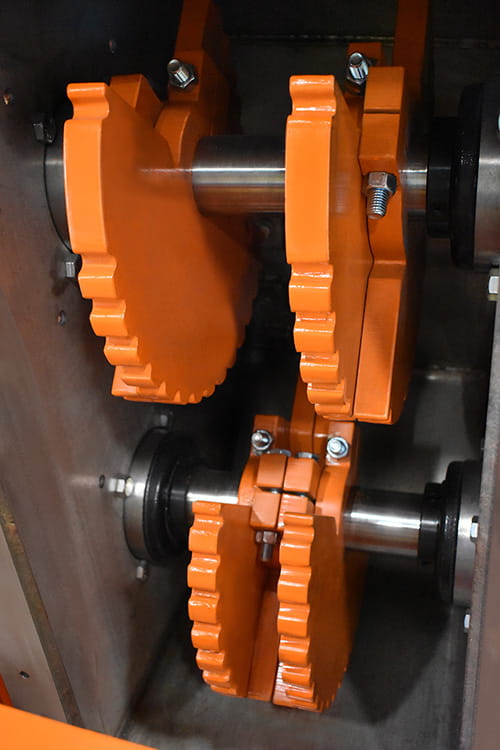
With few moving parts and a simple design, these systems require minimal maintenance and provide long service life.