
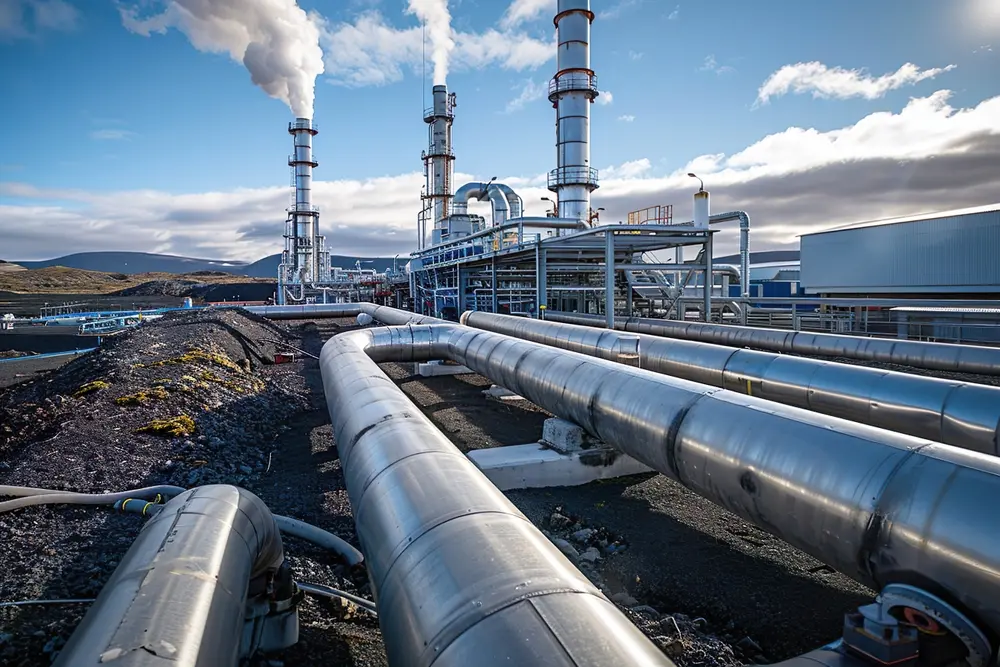
As global conversations about climate action intensify, CO2 capture technology is taking center stage. At Carrier Vibrating Equipment, we’re living this transformation firsthand. Our experience in process and material handling equipment keeps us close to industrial partners, making the leap toward cleaner operations. We know that practical solutions are a must if industries are going to hit ambitious emissions targets.
The Role of CO2 Capture Technology in Modern Industry
CO2 capture technology includes methods to trap carbon dioxide before it escapes into the atmosphere. These systems are often installed in power plants, manufacturing facilities, and other high-emission sites. The captured gas can then be transported for storage or for use in new products. This approach helps lower overall greenhouse gas emissions while supporting sustainable business models.
We work with companies across a range of industries where CO2 capture is becoming a regular part of compliance and corporate responsibility goals. Our equipment doesn’t capture carbon directly, but it does play an important part in preparing materials for these systems. For example, effective drying, screening, and conveying of feedstocks or sorbents helps optimize downstream carbon capture efficiency.
Recent Innovations and Practical Benefits
The science behind CO2 capture technology is developing quickly. Post-combustion, pre-combustion, oxy-fuel combustion, and direct air capture are just some of the major pathways. Today’s systems can often remove up to 90 percent of CO2 emissions from flue gases.
One major innovation that stands out is direct air capture with advanced solid sorbents. These materials can absorb CO2 even at low concentrations, making it possible to scrub the air itself. Projects around the world are scaling these concepts for industrial use.
A less-discussed part of the puzzle is material handling. Our vibratory dryers, screeners, and feeders help get biomass or coal into the right condition for either combustion or subsequent carbon capture processes. For example, when converting biomass to biocarbon, drying and sizing are central steps that can make or break efficiency.
Supporting Sustainability Through Smarter Processing
Many industries still rely on coal-based power or use mixed feedstocks with varying moisture content. Even small performance gains in pre-treatment steps can make a visible impact on energy use and emissions. Our work with different coal drying methods shows how tailored vibrating fluid bed dryers manage sticky coals or fragile feedstocks while prepping them for cleaner combustion and easier CO2 extraction.
We also see growing interest in biocarbon as a practical alternative energy source. By processing agricultural waste or wood scrap into high-carbon material, industries can cut reliance on fossil fuels. Efficient handling equipment makes switching to these greener feedstocks much more viable.
Measuring Impact Through Testing and Real-World Data
We encourage every partner to move beyond guesswork by using our lab testing services before scaling up a project. Our in-house facility provides detailed data on moisture removal rates, particle size distribution, and energy consumption with real samples.
Looking Ahead: Creating Lasting Change
CO2 capture technology sits at the heart of industrial decarbonization. The right combination of reliable processing equipment and innovative capture systems brings us closer to hitting ambitious climate goals with every project.
As you plan your next step in improving sustainability or upgrading your facility, let’s talk about how our specialized equipment supports these strategies. Ready to explore solutions together? Contact us so our team can help you shape a cleaner future for your business.