
Herkömmliche Fließbettkühler
Carrier’s conventional, or static, fluid bed coolers are well suited for:
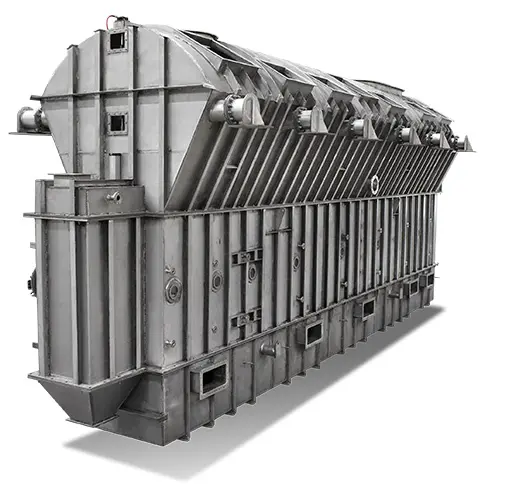
Herkömmliche Fließbettkühler
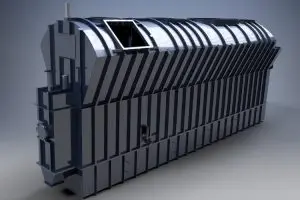
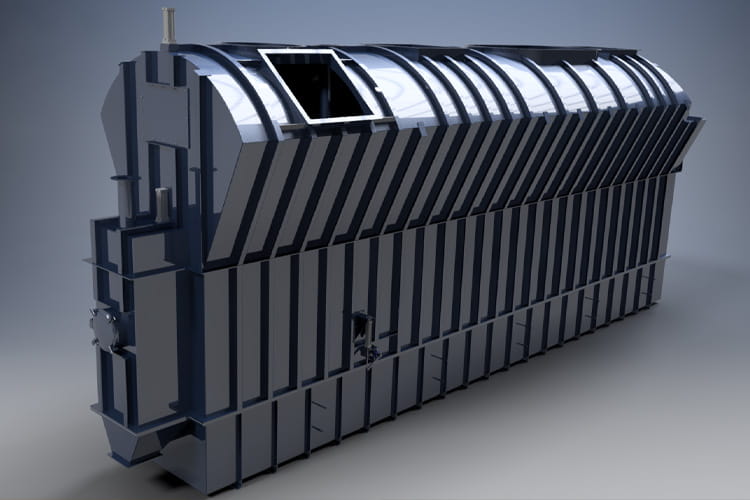
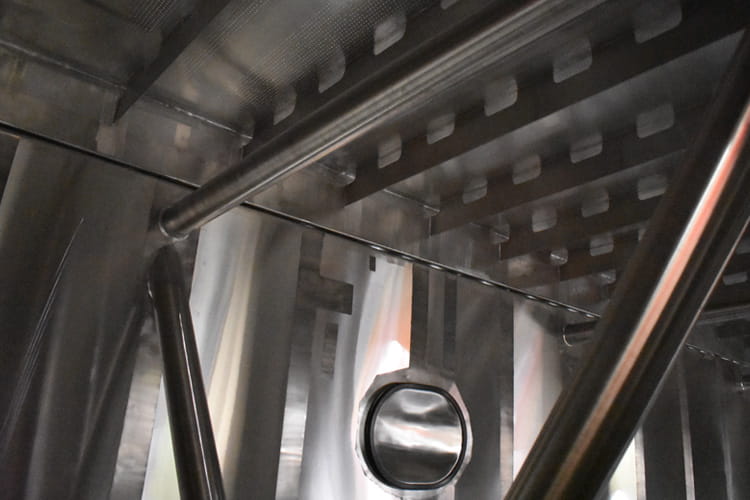
Carrier’s conventional (static) fluid beds cool a variety of products without the aid of vibration. These fluid bed coolers pass air directly through a bed of solid material via a perforated plate, nozzles, or other fluidizing media, thereby lifting and mixing the solids. At a certain air velocity (the fluidization velocity), the bed will behave much like a boiling liquid.
Features & Benefits
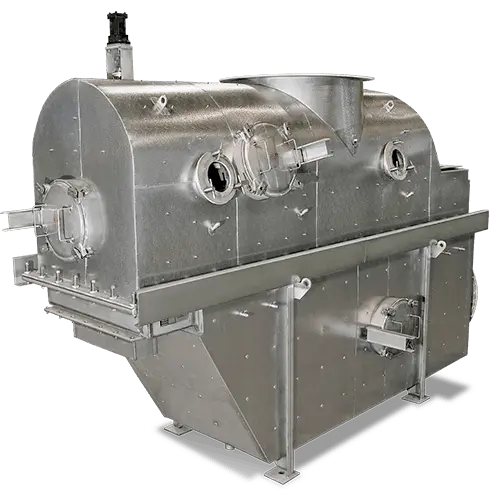
Equipment Options & Accessories
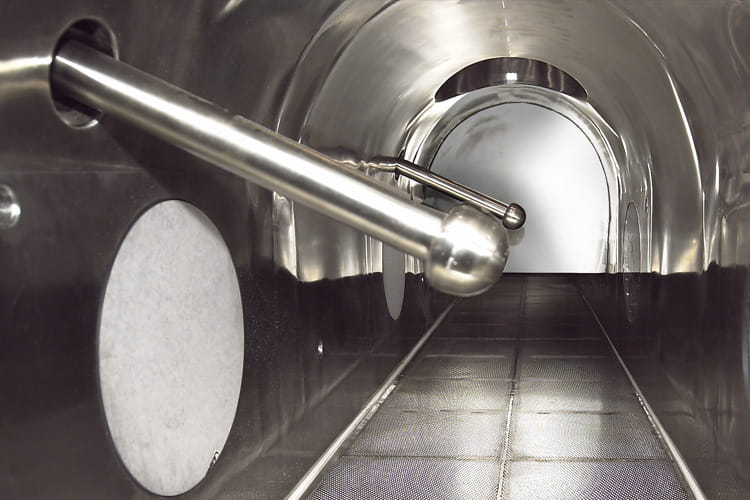
Clean In Place (C.I.P.) fluid bed designs are available for applications requiring frequent clean out. Our automated cleaning option with fixed spray nozzles is ideal for the food and dairy industry.
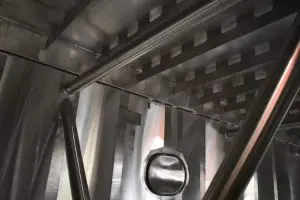
Access the interior through a variety of manways, doors and sampling ports.
Systems can be designed to prevent or detect fires and explosions and include explosion suppression or venting.
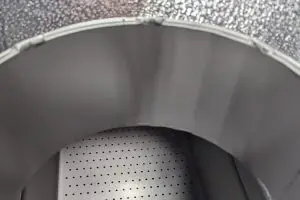
Ensure precise airflow and consistently distributed airflow with the proper fluidizing deck for your application.
Material contact surfaces can be fabricated from carbon steel, stainless steel or a number of other alloys. Specialized coatings are available to reduce product adhesion.
Minimize field commissioning work with simple starter panels or customized PLC-based controllers complete with remote startup and engineering services.
Static fluid bed coolers can be multi-functional, providing cooling, drying, classifying, steralizing, and more in a single unit.
Standalone or complete multistep processing solutions.
Anwendungen
Provides controlled cooling of hot fly ash through direct contact with fluidizing air. Uniform bed conditions maximize heat transfer while preparing material for storage, handling, or downstream processing.
Cools fertilizer granules and chemical products with controlled airflow and residence time. Uniform fluidization minimizes temperature variation while maintaining product integrity and consistent downstream handling characteristics.
Provides gentle, uniform cooling of heat-sensitive food products using precisely controlled fluidizing air. Consistent bed temperatures help protect product quality while achieving required discharge temperatures.
Uniformly cools pellets, granules, and feed products after thermal processing. Controlled airflow removes residual heat while maintaining product integrity and preparing material for storage or packaging.
Efficiently cools hot mineral products through controlled fluidization and convective heat transfer. Uniform material distribution provides consistent discharge temperatures while supporting continuous downstream processing.
Provides controlled cooling of rubber particles and crumb rubber following thermal processing. Fluidizing air and uniform bed movement efficiently remove heat while minimizing agglomeration and maintaining material flowability.
Delivers precise cooling of pharmaceutical powders and granules using controlled airflow and residence time. Uniform fluidization supports repeatable discharge temperatures while maintaining product quality and process consistency.
Cools plastic pellets, fabricated products such as ABS, polyethylene (PE), polypropylene (PP), polystyrene (PS), polyvinyl chloride (PVC), PET, and SBS, and granules through uniform air-to-product contact. Controlled fluidization efficiently removes process heat while minimizing material degradation and preparing products for handling, storage, or packaging.
Provides uniform cooling of polymer and resin pellets using controlled fluidizing airflow. Efficient heat transfer achieves consistent discharge temperatures while maintaining particle integrity and reliable downstream handling.
Efficiently cools hot soda ash using controlled airflow and uniform fluidization. Consistent bed conditions maximize heat transfer while achieving stable discharge temperatures for storage, conveying, and downstream processing.


Conventional Fluid Bed Coolers FAQs
Conventional fluid bed coolers rely on airflow alone to fluidize and cool material, while vibrating equipment adds mechanical vibration to improve handling of more difficult materials.
They work best with materials that fluidize easily and do not require additional agitation, making them ideal for consistent, free-flowing products.
Yes. These equipment are adaptable to both batch and continuous operation depending on production needs.
Operators can adjust airflow, bed depth, and retention time to precisely control product temperature and cooling performance.
Yes. Efficient heat transfer and simple design help reduce energy consumption while maintaining consistent product cooling.